

- Home
- Botswana
-
-
- Okavango Delta
- Atzaró Okavango
- Abu Camp Botswana
- Baines’ Camp
- Camp Okavango
- Chitabe Camp
- Chitabe Lediba
- Daunara Safari Camp
- Duba Plains Camp
- Eagle Island Lodge
- Gomoti Plains
- Jacana Camp
- Jao Camp
- Kanana Camp
- Kwara
- Kwetsani Camp
- Little Vumbura
- Maxa
- Nxabega Okavango
- Nxamaseri Island Lodge
- Sandibe Okavango
- Seba Camp
- Shinde Camp
- Shinde Footsteps
- Sitatunga
- Stanleys Camp
- Tubu Tree Camp
- Vumbura Plains
- Xugana
- Okavango Delta
-
- Chobe and Linyanti
- Chobe Bakwena
- Chobe Game Lodge
- Chobe Chilwero
- Chobe River Lodge
- Chobe Savanna
- Chobe Under Canvas
- Duma Tau Camp
- King’s Pool Camp
- Kwando Lagoon
- Kwando Lebala
- Linyanti Bush Camp
- Mowana
- Muchenje
- Ngoma Safari Lodge
- Sable Alley
- Savute Elephant
- Savute Safari Lodge Botswana
- Savute Under Canvas
- Savuti Camp
- Selinda Camp
- Zarafa Camp
- Chobe and Linyanti
-
-
- Other Destinations
-
- African Safari Packages
- Planning a Safari
- Contact Us
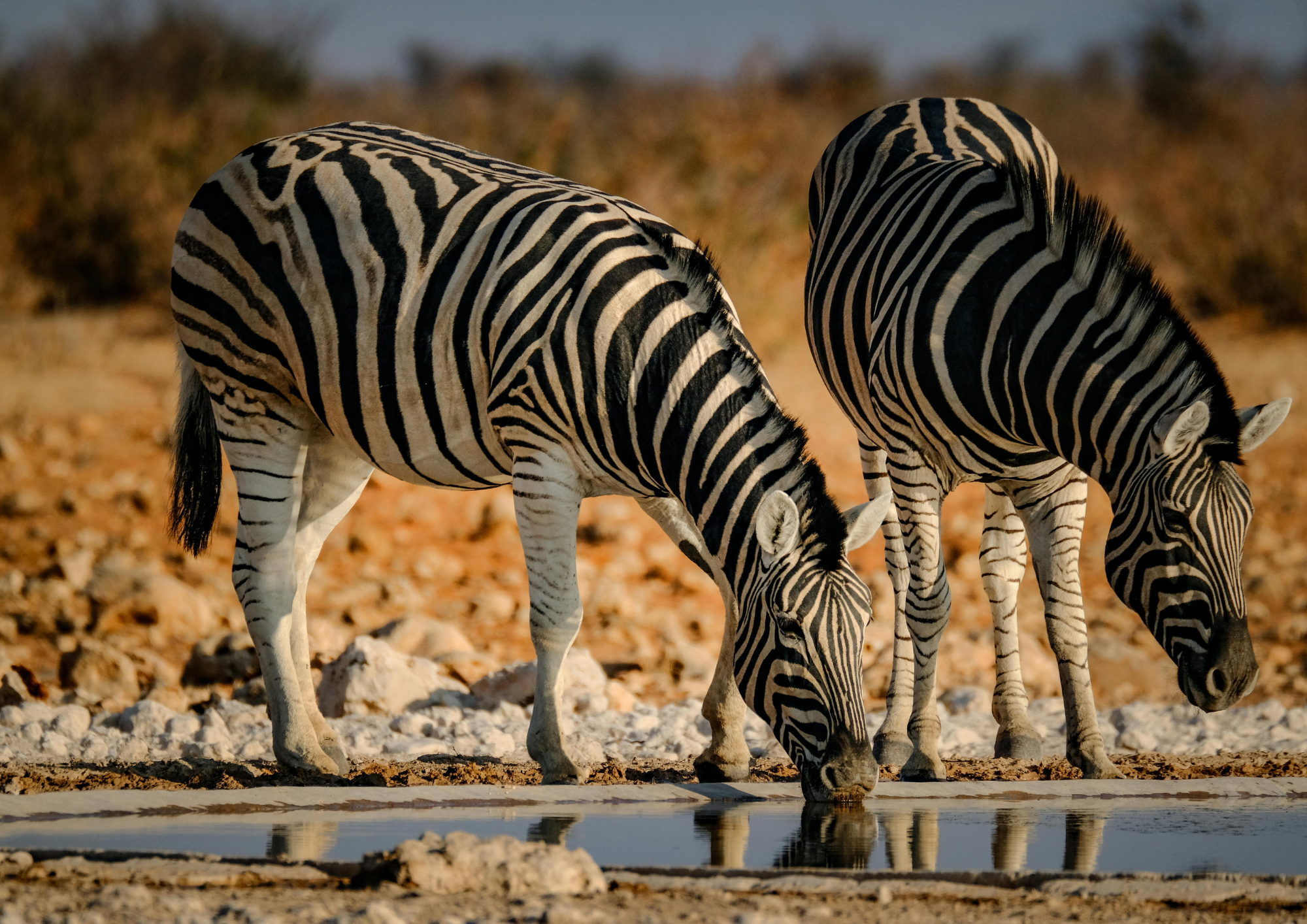
Makgadikgadi Zebra Migration
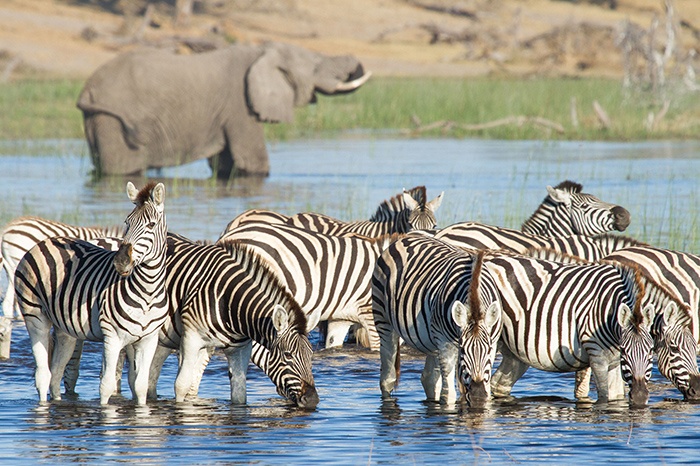

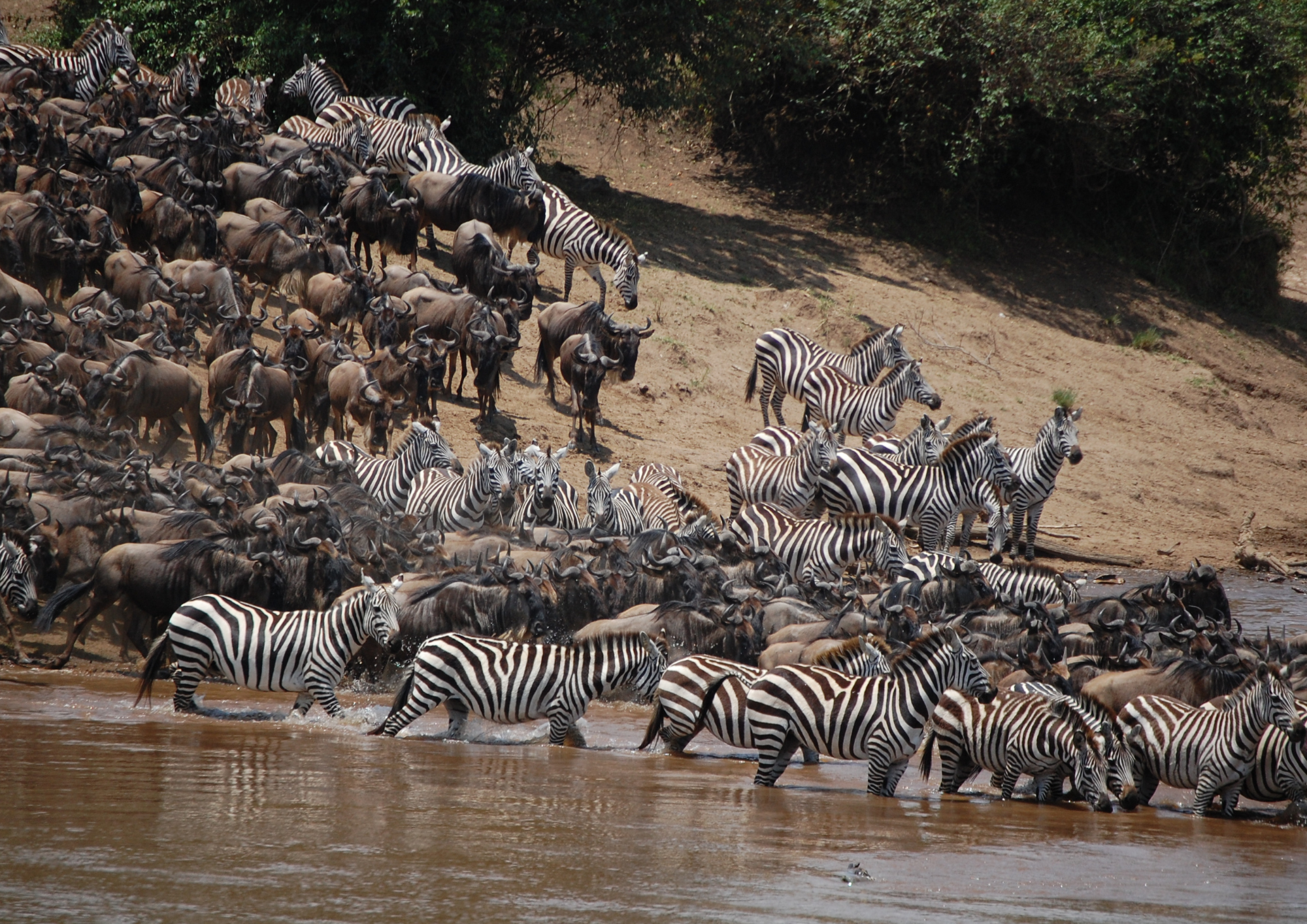

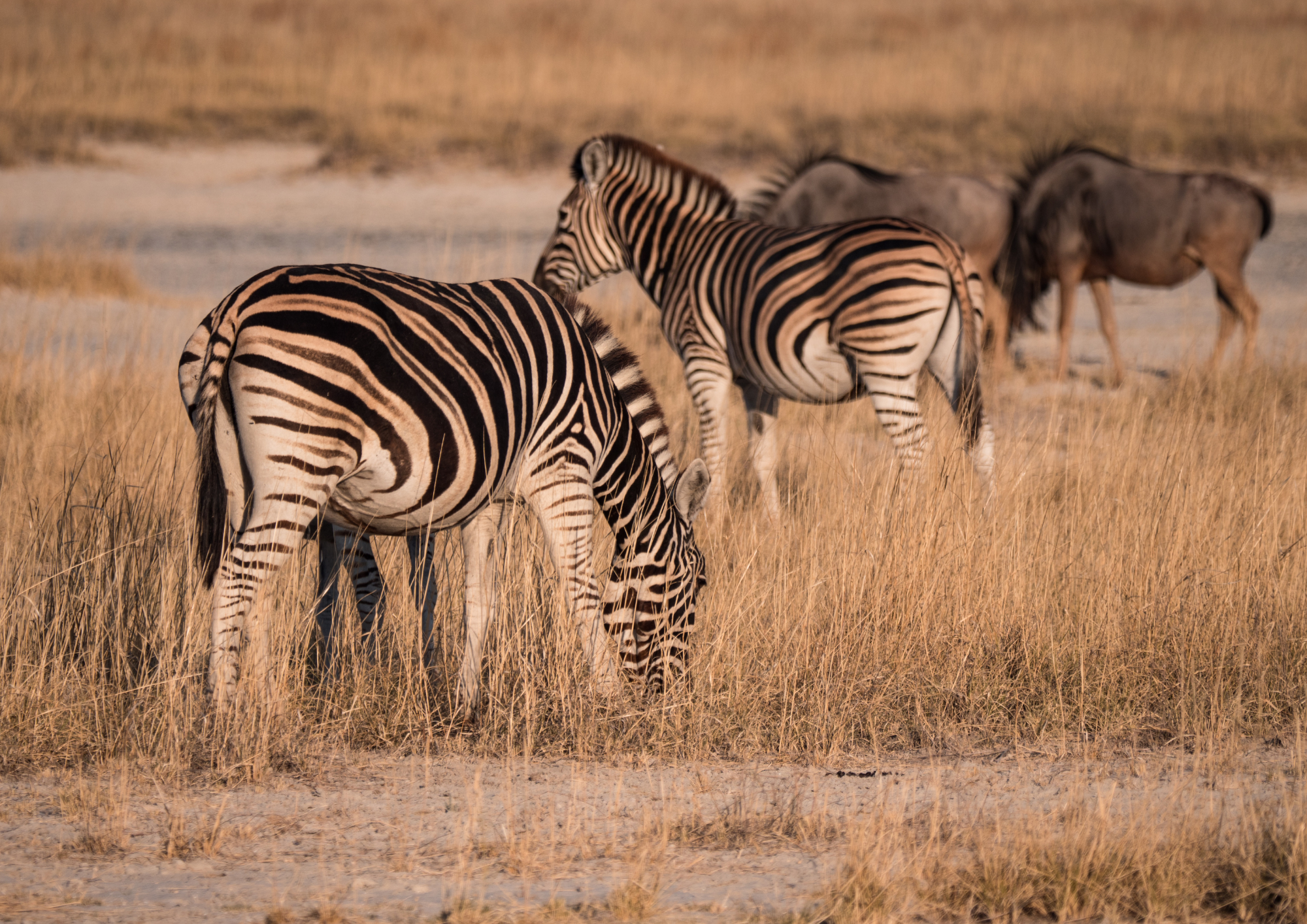
The Makgadikgadi zebra migration is one of Botswana’s most extraordinary wildlife spectacles.
Covering more than 150 kilometres, the migration between the Okavango Delta and Makgadikgadi region once disappeared following the erection of veterinary fences during the 1950s and 1960s. However, the migration has gradually re-established itself following the removal of many of these fences.
The Return of the Zebra Migration
Recent research has revealed additional important zebra migration routes across Botswana and neighbouring regions.
A research team involving WWF, the Namibian Ministry of Environment, and Elephants Without Borders fitted eight zebras with tracking collars. As a result, researchers discovered that plains zebras from the Nxai Pan region migrated more than 150 miles from the Zambezi Region southwards to Nxai Pan.
Wildlife Movements Across Botswana
The migration follows seasonal rainfall patterns across northern Botswana.
During the dry season, from July to November, the zebras remain in their northern range. Meanwhile, the arrival of the first rains in late November triggers the migration south towards Nxai Pan.
The journey takes approximately three weeks. The zebras then remain in the region for two to three months before returning north from March onwards.
Where to Experience the Zebra Migration
Travellers can experience the Makgadikgadi zebra migration from camps located along the Boteti River and surrounding regions.
Popular safari camps for viewing the migration include:
- Leroo La Tau
- Jack’s Camp
- Nxai Pan Camp
In addition, Nxai Pan Camp offers excellent opportunities to witness the northern migration routes.
Why Visit the Makgadikgadi Pans
Ultimately, the Makgadikgadi zebra migration offers one of Botswana’s most unique and rewarding safari experiences.
The combination of vast open landscapes, seasonal wildlife movements, and remote wilderness creates an unforgettable Botswana safari adventure for wildlife enthusiasts and photographers alike.